Gear & guides
Lessons from starting a podcast in 2024, and common pitfalls to consider before launching your own show.
Some links in this story are affiliate links. If you buy through them, we may earn a commission at no extra cost to you.
What format are you making, and where will it be recorded?
What result matters to you, and how will you measure it?
Which part of the workflow should you learn, and which part should someone else own?
Starting a podcast is easier than building a repeatable process for making it. Before buying gear, plan how the show will fit your life and what you want it to accomplish.
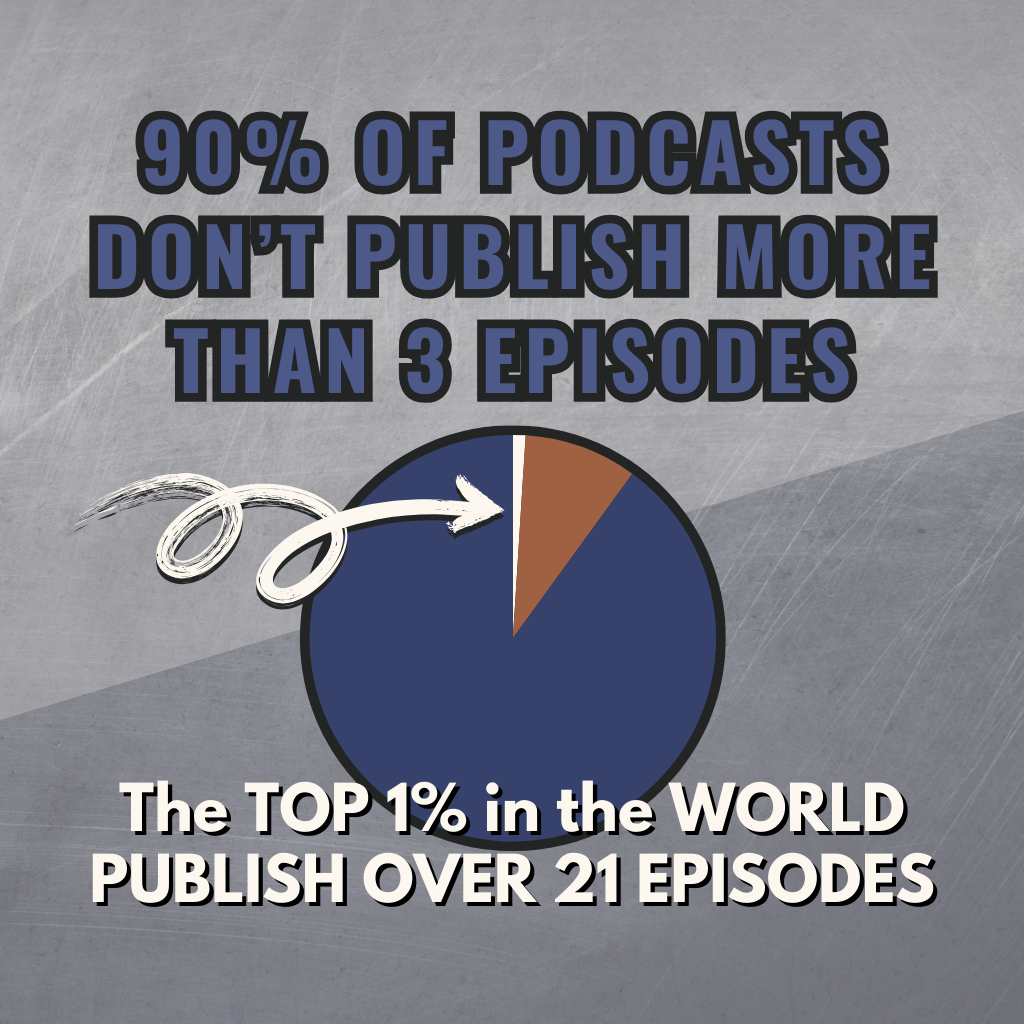
And one of the reasons is that starting a podcast looks relatively easy.
Sure, just like you can create an Instagram or TikTok account and start posting immediately, you can easily get a cheap microphone or use an app on your smartphone to record something you would call a podcast.
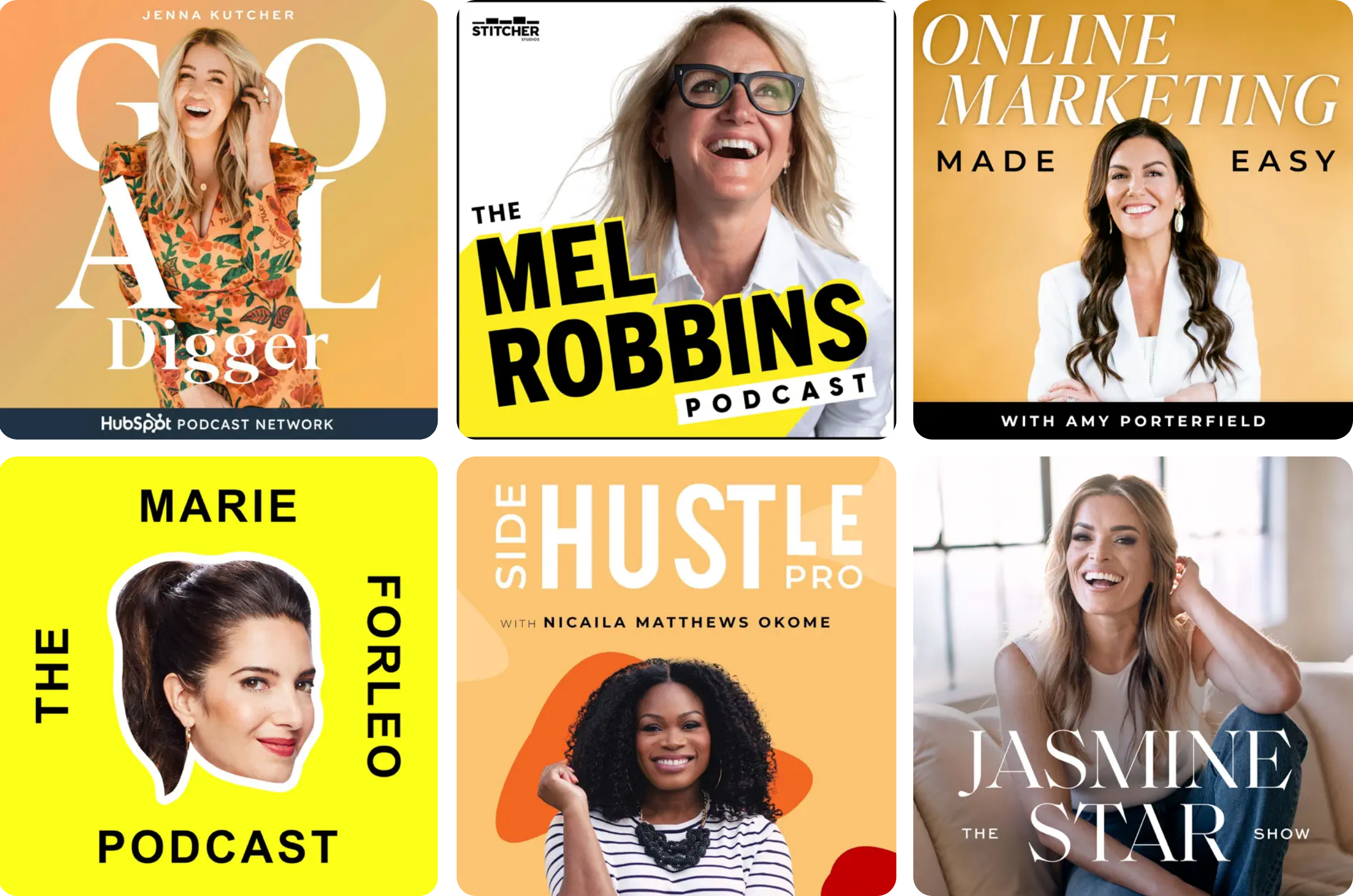
Not to mention the popularity of podcasters such as Jenna Kutcher, Mel Robbins, Amy Porterfield, Marie Forleo, Nicaila Matthews Okome, and Jasmine Star who continue to draw in aspiring podcasters, they make podcasting look rather dreamy.
But, whoa, cowgirl!
Content creators who are attracted to the medium tend to dive head-first into recording because of the low barrier to entry and pipe dream that it’ll be easy work.
Then fairly quickly they are met with reality: just like when building an Instagram, TikTok, or LinkedIn account, a podcast requires work, consistency, a strategy, and investing money in training and support to really see your show going to places, and achieving all the great things that come with building an audience over time.
There is NO overnight success in podcasting, but you will build unstoppable momentum with every episode you publish.
Keep reading because I’ll share all the golden lessons I have learned from over 5 years (and counting) of producing my own shows, working with clients, and teaching podcasting inside our programs.
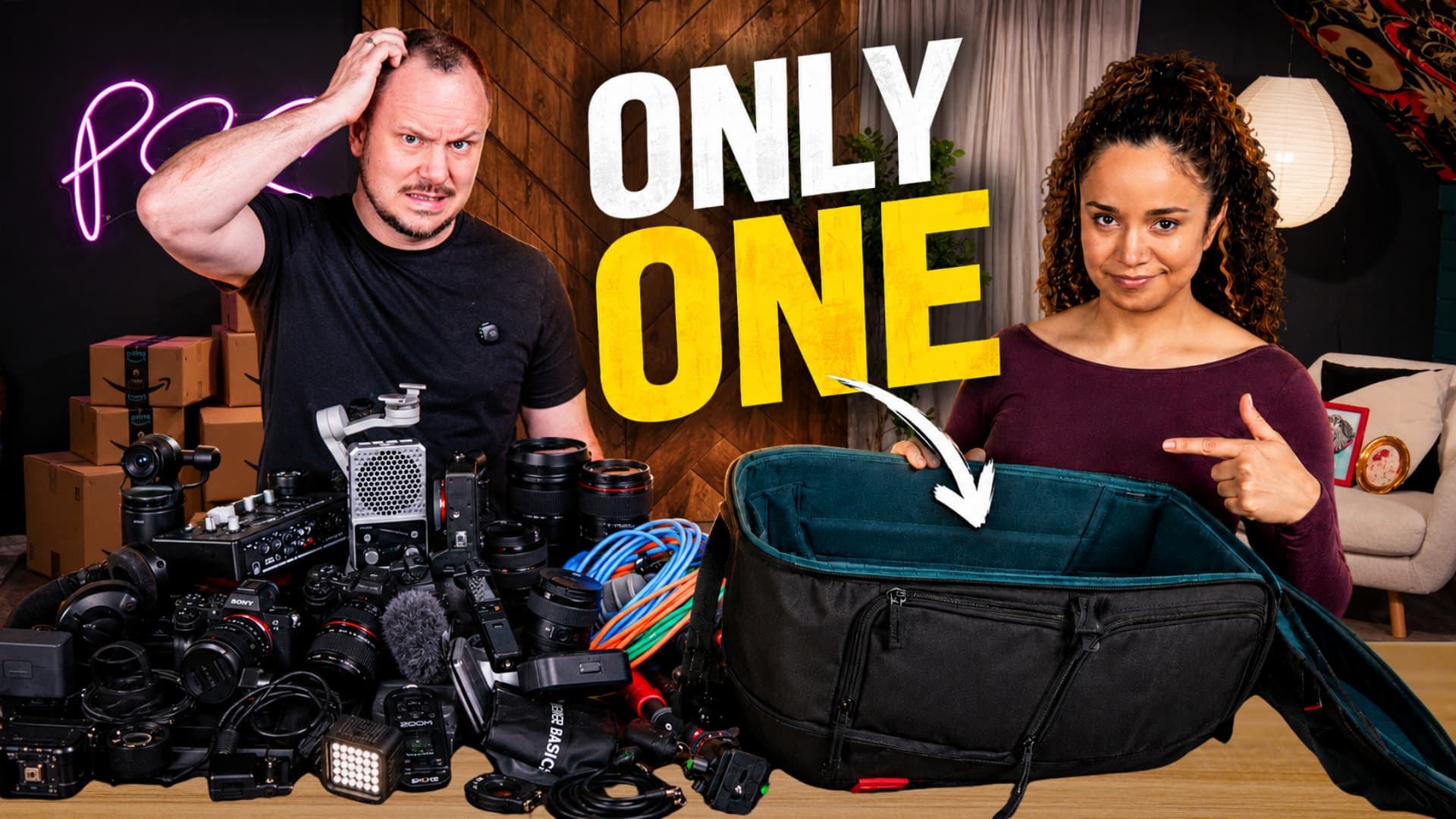
I cannot tell you how many clients have come to me with equipment they’ve already purchased that doesn’t work for their project.
Let me explain.
EXAMPLE 1:
Recording an audio-only podcast in your home or work office requires a different setup and equipment than recording a video podcast live with a cohost in the same location.
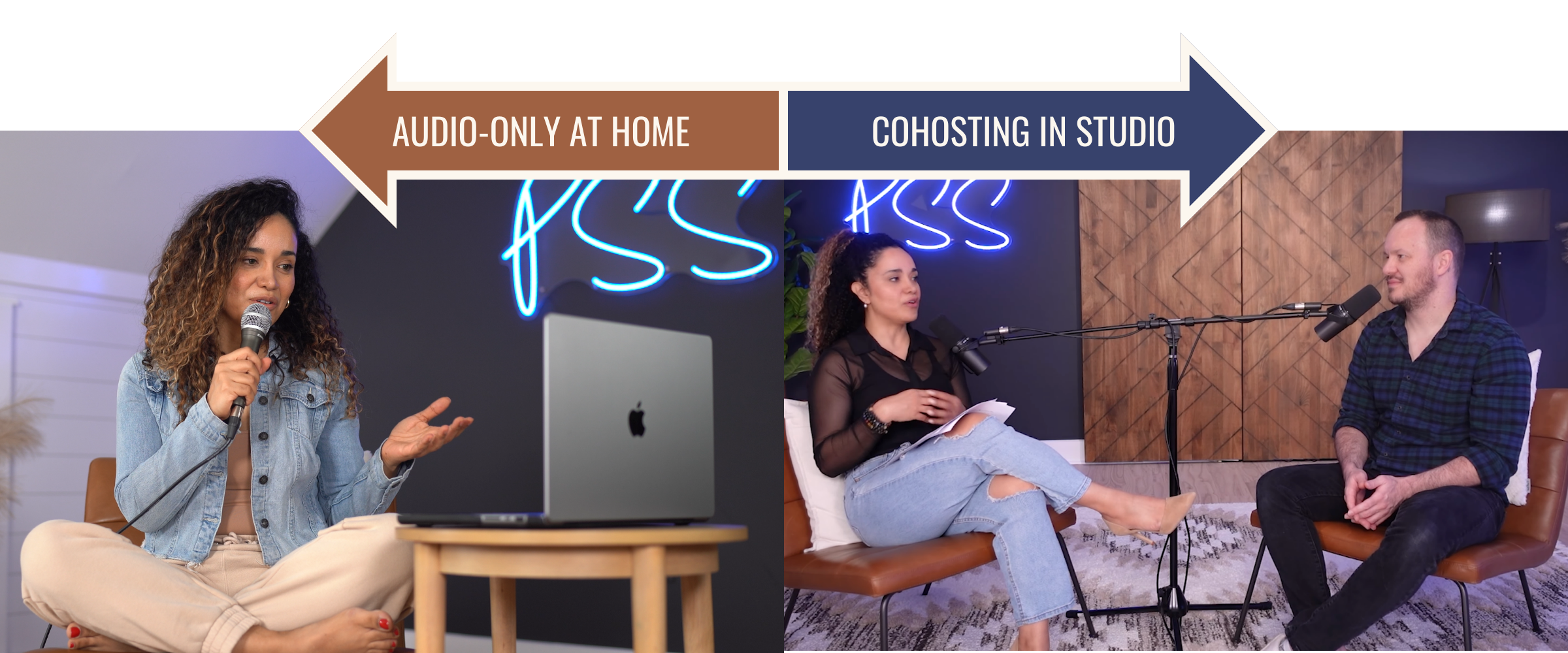
If you want to see us in action putting together a podcast studio for two people to record a video podcast or do a live stream, we made this super fun video taking you behind the scenes on how to record a video podcast, the equipment we use, the software we use, and some awesome tricks.
EXAMPLE 2:
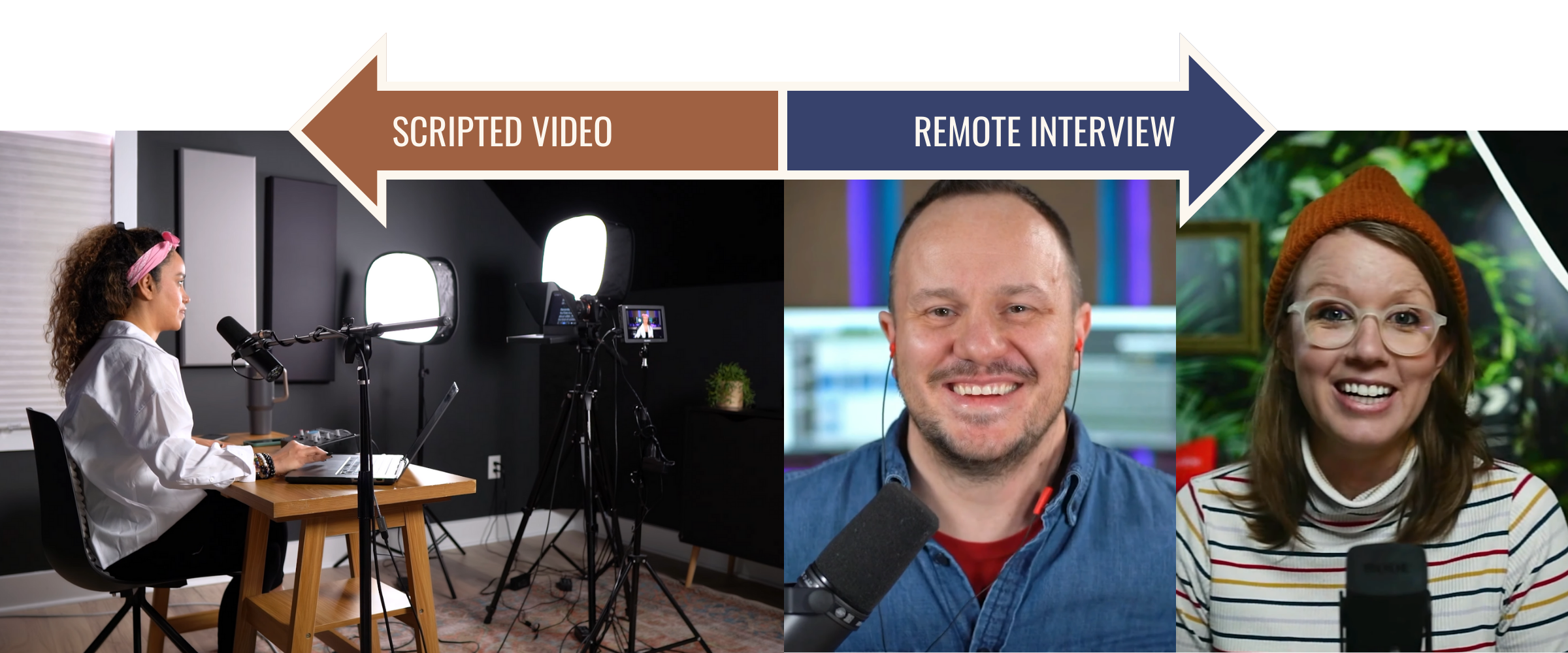
Recording a scripted video podcast you want to repurpose for LinkedIn or YouTube requires a different setup than remote or live-streamed interview-style video podcasts.
EXAMPLE 3:
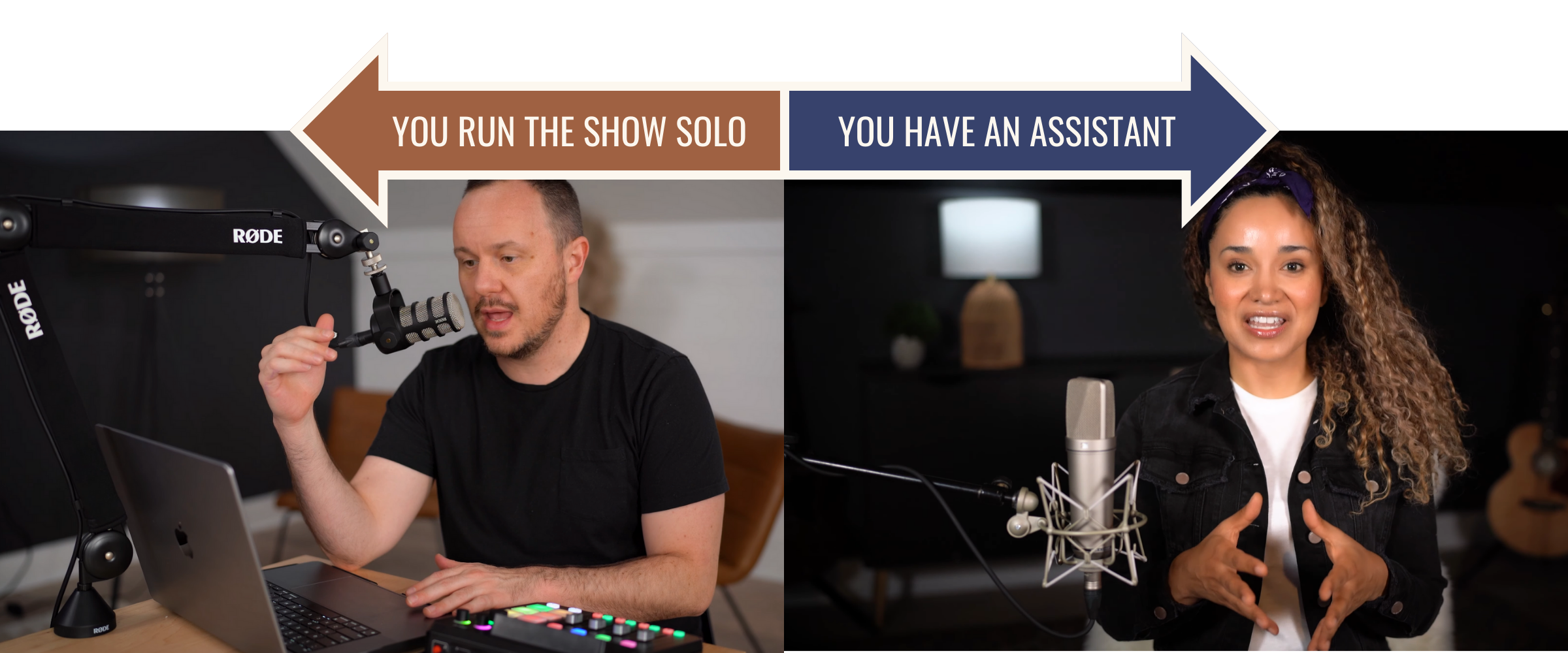
Running the show alone, being the talent while handling all the technical aspects, requires a different setup and equipment than recording with the assistance of a technician or producer in your studio.
Stephen Covey says in his book The 7 Habits of Highly Effective People that…
Listen, it takes a lot of energy to record a podcast and make videos. Even creating a freaking design on Canva takes time and energy.
Look at my masterpieces below!
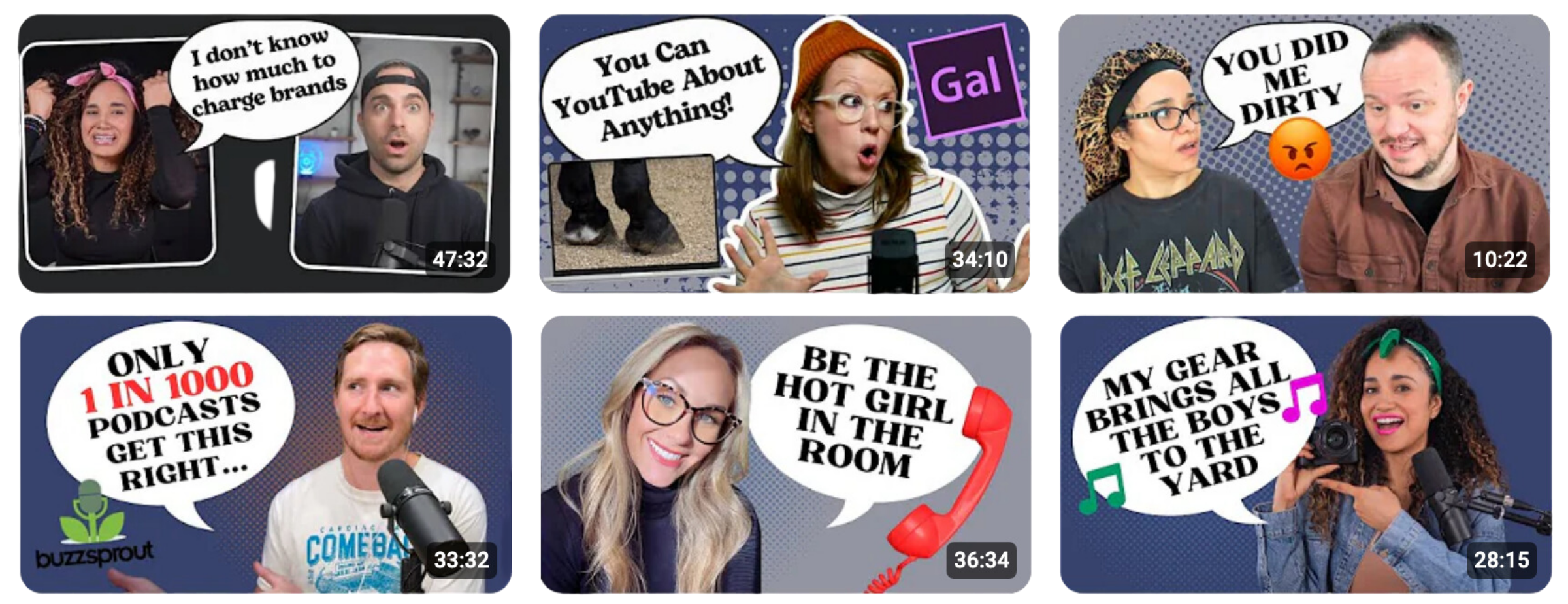
Planning and recording ONE single podcast episode can take you days if you’re not trained properly or if you don’t understand what you’re doing.
You have to plan the thing.
You have to show up to record the podcast with confidence and high energy.
You have to set up your equipment.
You have to record the content.
You have to send it to an editor (unless you are one of the select few who are so stubborn you insist on editing the podcast yourself).
Lastly, you have to post, distribute, and promote it so you have some listeners.
If it takes THIS much work, why on earth would you rush into creating content just to create content that doesn’t go anywhere or do anything because it lacks strategy, research, and an understanding of your audience?
better equipment and recording tools
learning about SEO and how to introduce keywords into your episodes
improving your content and distribution strategy
An intentional workflow makes it easier to publish consistently and learn from each episode. It improves the process; it cannot guarantee audience growth.
Podcasting and making content is fun, but if you’re not getting anything out of it besides bragging rights, your enthusiasm and passion for your podcast will quickly fade.
Don’t jump into podcasting without having a clear idea of the ROI you want your podcast to generate. And when I talk about ROI, it is not measured necessarily in how much money you’ll make directly from running ads for your podcast, which, by the way, will be pennies if you’re just starting.
More clients signing up for your program who come from the podcast
Or maybe shorter sales cycles because your podcast is educating your audience and helping you gain trust faster
Or maybe your ROI is that your podcast is helping you build your content strategy and presence online, generating demand for your services on different platforms
Or maybe your expected ROI is to be able to interview influential people in your industry and grow your authority through the power of association.
When you don’t have goals or markers telling you whether or not your strategy is working, you won’t know if your efforts are being well invested and this usually leads to frustration, boredom, and burnout.
Bottomline: Get clear on what you want to achieve with your podcast so you have a concrete way to measure the project’s success and keep your enthusiasm and momentum going.
Getting talented and creative people to support you and help you launch your podcast is a great idea.
Think of how exciting it will be NOT doing ALL the technical learning, planning, and strategizing ALONE.
But, before you rush into hiring people because you finally want to see this project in motion, let me give you insight into the different roles or support you can get to launch your podcast.
If you’re a busy CEO and you only have the time to record your podcast and make your content, let’s say, once a month because you’re running a 7 or 8-figure business, then you need a podcast production team.
a podcast producer or a manager planning and coordinating the production process
a technician helping you set up and troubleshoot your recording studio and assisting you in recording the podcast
editors to turn your raw recordings into podcast episodes, YouTube videos, and short videos
someone in charge of the distribution and promotion of the podcast, making sure that the podcast is posted and distributed, and also putting assets together to promote the podcast on your newsletter and social media channels
Choose the support your show needs, whether that is an editor, a producer, or help with the studio and recording workflow.
But what if it’s not within your budget to have a production of this magnitude?
Well, the good news is that you can still create a professional podcast on a tight budget.
put a production and distribution workflow in place with the right tools and equipment so it’s easy to manage on your own
teach you strategies to grow your audience faster and avoid making mistakes
Podcast editing is time-consuming!
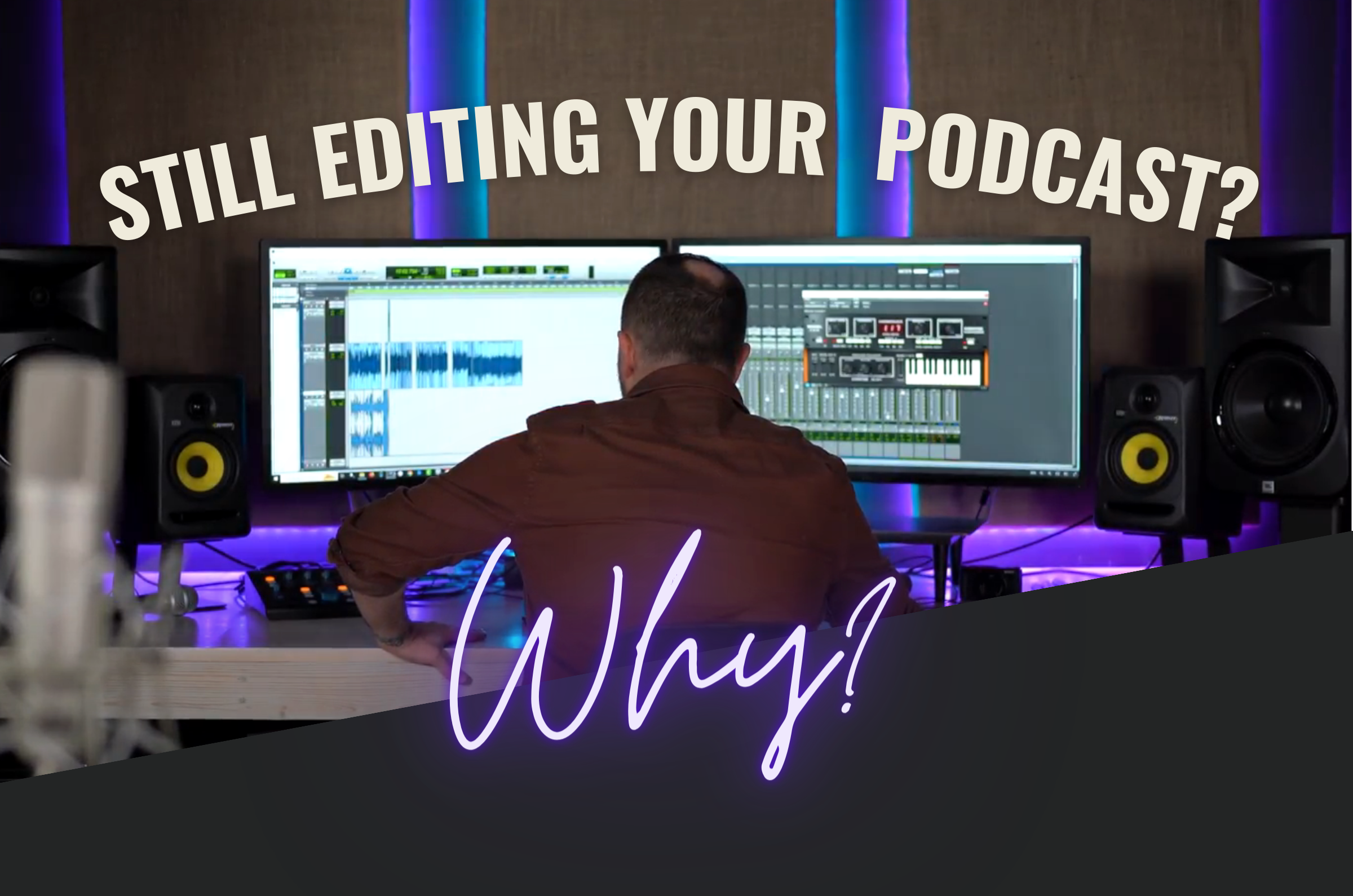
The LAST thing you want to do is spend hours editing your podcast when you should be making sales, networking, and doing all the things that are vital for your business’s survival.
Whether you hire a podcast team, outsource your podcast production, or hire a coach, take the time to do your research to make sure they have the experience and credentials to add value and creativity to your project.
There are a lot of people out there who will happily take your money even if they’re not qualified or don’t have the experience to do the work.
Starting a podcast in 2024 is an exciting endeavor filled with potential for growth and impact. However, it's crucial to approach it with the right mindset and knowledge.
The allure of podcasting may seem enticingly easy, but the reality is far more nuanced so don’t rush into content creation.
Understand the importance of tailored equipment for different podcasting scenarios
Optimize your podcast production workflow to avoid hastily thrown-together episodes, last-minute rushes, and inconsistent episode posting and distribution
Define clear goals and expected returns on investment to ensure that efforts are directed purposefully, preventing burnout along the way
Seek appropriate support, whether through assembling a dedicated production team or engaging with experienced coaches and editors
While the path to podcasting success may not be effortless, it's certainly within reach for those willing to learn, do a little strategizing, get specific about what they want, leverage the help of others, and persevere.