Gear & guides
You’ve got the ideas, the passion, and the voice, so why isn’t your podcast taking off?
Some links in this story are affiliate links. If you buy through them, we may earn a commission at no extra cost to you.
Map a small first season instead of planning a year before recording.
Define what the show should do for your business and how you will measure it.
Give every episode an editing and repurposing plan before the shoot.
From Plaza Midwood to South End, Charlotte is full of visionary creatives ready to share their voice, but many hit the same roadblocks when it comes to podcasting. Let’s talk about what’s holding your show back, and how to fix it.
The Queen City Is Buzzing With Creative Energy
If you’re a creative in Charlotte, maybe a small business owner, wellness coach, content creator, or even just someone with something to say, you’ve probably thought about launching a podcast. And it makes sense.
Podcasting is one of the most powerful ways to connect, build trust, and grow your brand. In a place like Charlotte, where local brands thrive on personality and connection, podcasting should be a no-brainer.
But here’s the truth: a lot of amazing Charlotte creatives never make it past Episode 1. Or they never hit record at all.
Why?
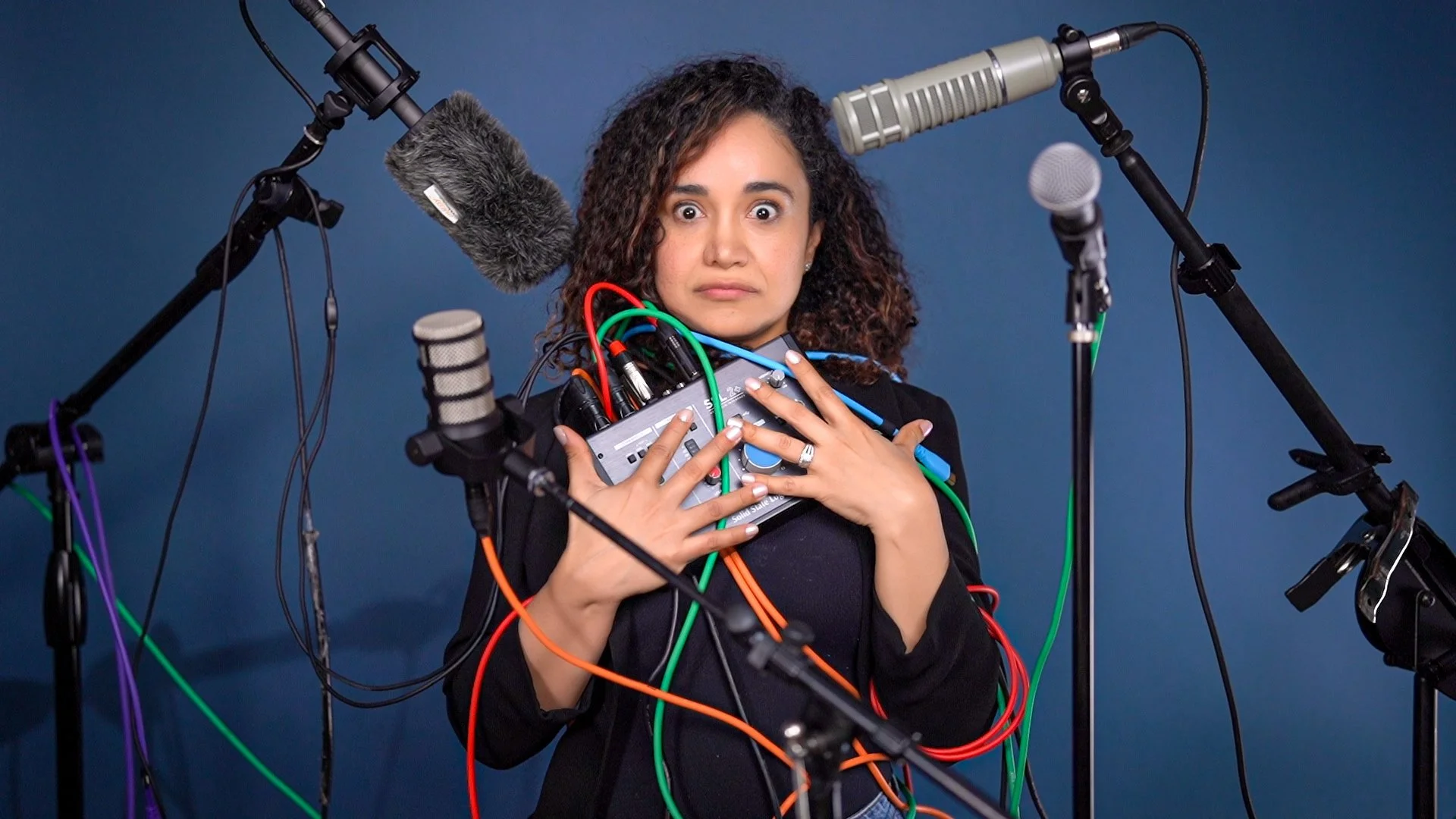
You’ve got ideas for days. Maybe too many. But turning those ideas into a consistent, well-paced show? That’s where most creatives get stuck.
Planning out seasons, scripting intros, managing timelines, it all feels too corporate and rigid. So episodes either become chaotic or get left in the “ideas” folder forever.
Charlotte Tip: Instead of planning a year’s worth of episodes, try mapping out 4–5 starter episodes and create a mini season. Focus on clarity, not quantity. The point here is to get started.
Mics, mixers, audio levels, editing software… it's a lot. Creatives often don’t want to become audio engineers, they just want to create. But without the right setup, your show won’t sound professional (and that’s a big turn-off for listeners).
We help creators and business owners choose equipment, design the recording space, and learn a workflow they can use with confidence.
Let’s be real. You want the vibes right, the visuals clean, the content smart. And because you care so much, you end up delaying your launch until everything feels “perfect.”
Try this: focus on a useful conversation and a production process you can sustain. An informal style can work well when it fits the audience; it is not a shortcut guaranteed to outperform a polished show.
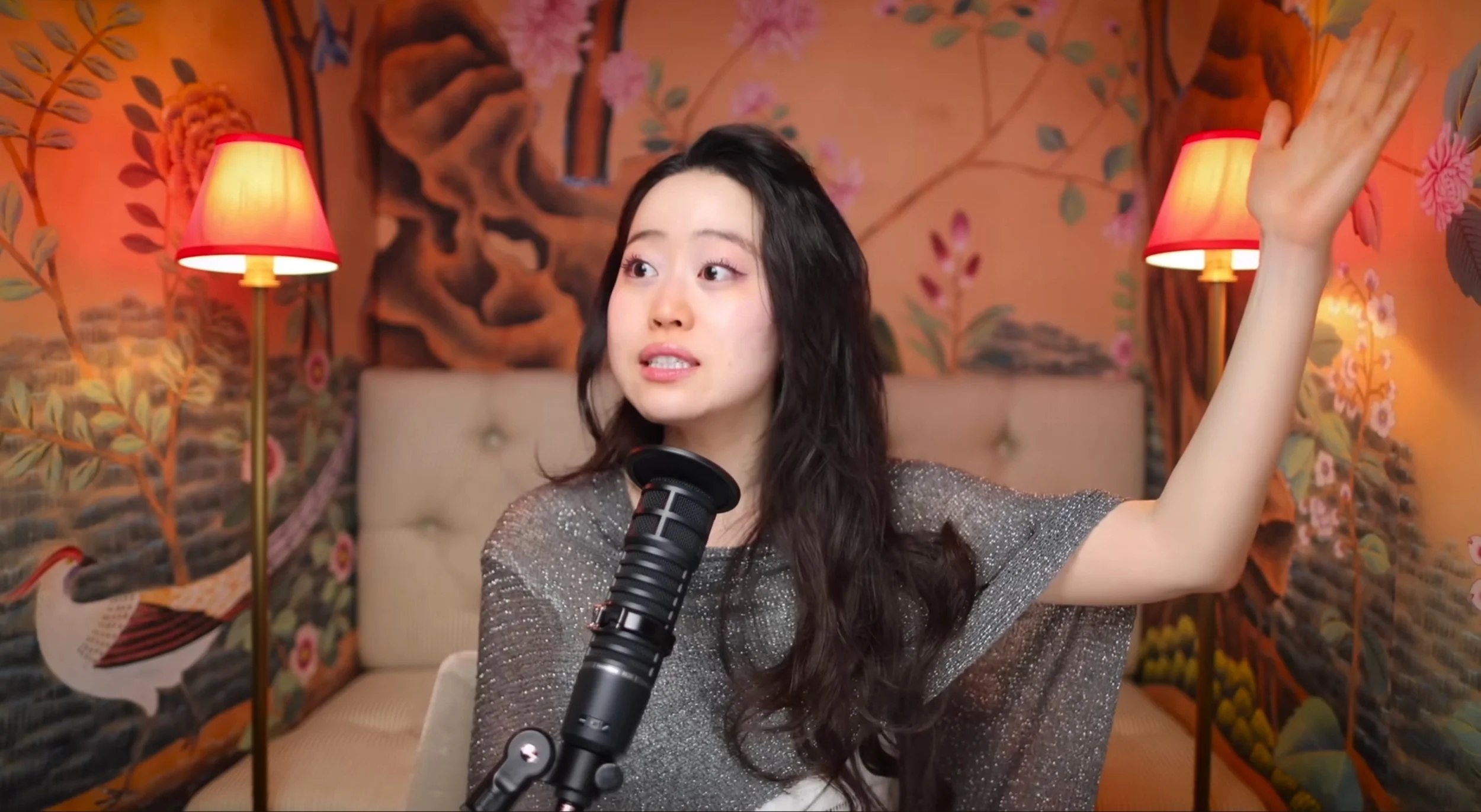
Look at Rotten Mango, a massively popular true crime podcast by Stephanie Soo. She doesn’t rely on heavy production or flashy effects, she focuses on storytelling. Her setup is simple: just her voice, a compelling narrative, and the kind of emotional transparency that makes you feel like you're hearing a story from a close friend. That authenticity is exactly why her audience keeps coming back.
She’s proof that connection > perfection. Stephanie often records from her home, stumbles through words occasionally, and talks to her audience like they’re in the room with her. That intimacy builds trust, and trust builds loyal listeners. So if you’re stuck trying to perfect every line, take a page from Rotten Mango: prioritize storytelling and vulnerability over studio polish. The right people will listen.
You hear about people making money from their podcasts, but how? Should you chase sponsors? Use it to drive traffic to your business? Launch a Patreon?
If you don’t have a game plan, you’ll pour time into content that doesn’t move the needle. Use your podcast as a platform, not just content. If you're a photographer, designer, stylist, or coach, your podcast should build trust that leads back to your paid offerings.
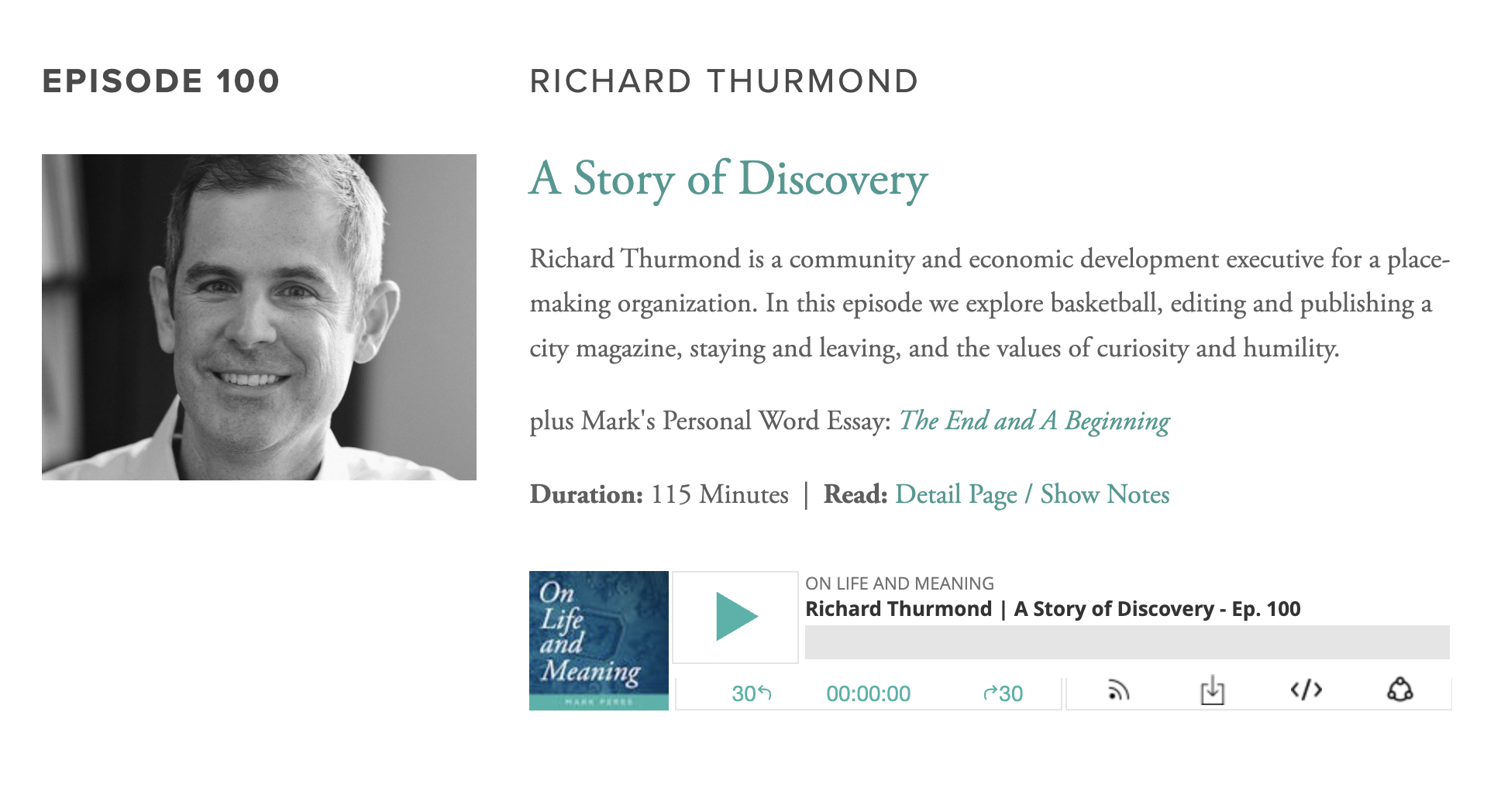
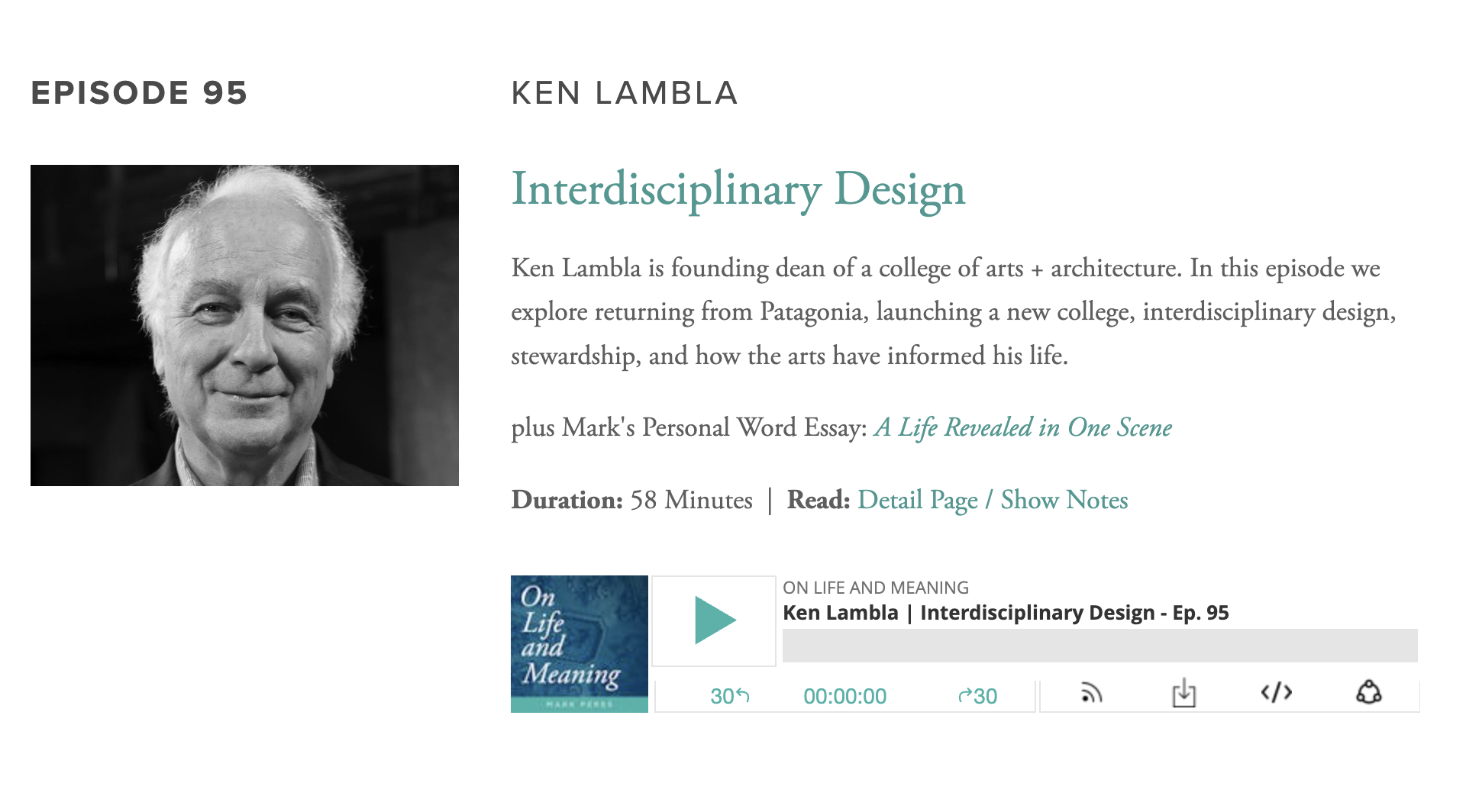
A great example of this is On Life and Meaning, a podcast created in Charlotte by Mark Peres. The show features long-form conversations with thinkers, creators, and leaders, from architects and entrepreneurs to writers and nonprofit directors, many of them from the Queen City. While the show itself isn’t packed with ads or pushing products, it is a powerful positioning tool.
Through thoughtful, in-depth interviews, Mark carved out a reputation as someone deeply connected to Charlotte’s creative and intellectual scene. This kind of credibility builds trust, and that trust leads to real-life opportunities like speaking engagements, consulting gigs, event invitations, and new professional relationships.
Monetization doesn’t always involve sponsors and merch. For shows like On Life and Meaning, the podcast is the brand, it builds visibility, showcases thought leadership, and naturally creates career growth. If you’re podcasting with a service-based business or a professional mission, this is the long game that pays off.
You post the full episode, and… crickets. The problem? You’re not slicing it up and spreading it around.
A good video podcast gives you multiple bites of content:
TikToks
Reels
YouTube Shorts
Quote graphics
Newsletter content
Blog recaps
Without a plan, you're leaving reach and growth on the table. Charlotte is small enough that a few well-placed clips can make you recognizable in your niche. Local reach still matters, and multiplatform content helps you get there.
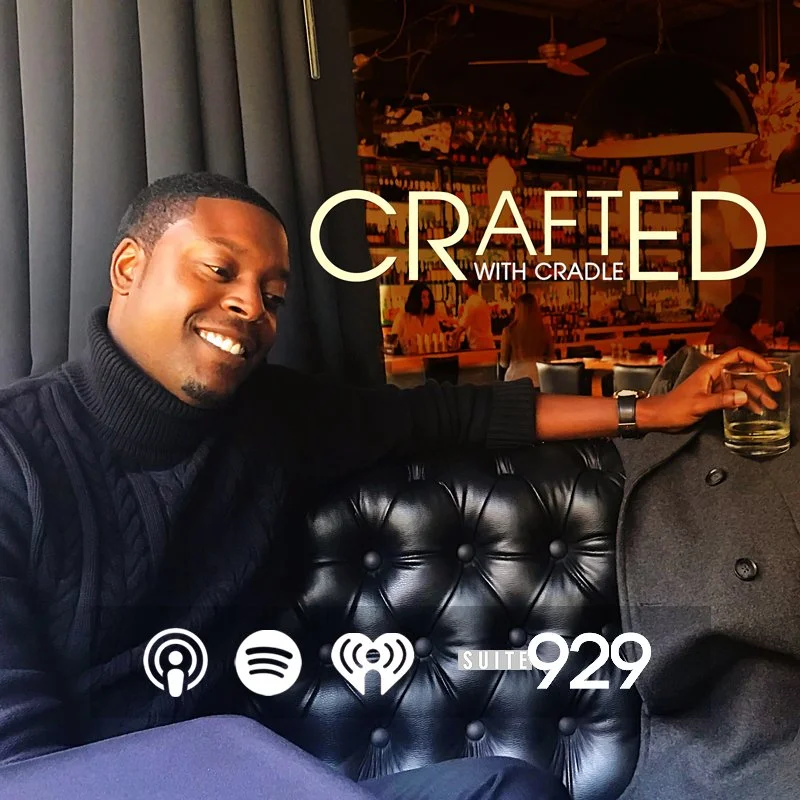
One local show doing this well is Crafted with Cradle, hosted by Charlotte creative Keith Cradle. The podcast highlights local Black-owned businesses and the makers behind them, from bakers and brewers to crafters and designers. But what sets it apart is how Cradle extends each episode far beyond the recording.
Instead of just posting the full podcast and hoping people listen, Cradle turns each interview into multiple content pieces: behind-the-scenes reels, quote graphics, guest shoutouts, and Instagram stories that tease key moments. That kind of repurposing helps boost discoverability and keeps engagement high long after the episode drops.
Plus, by tagging featured guests and encouraging cross-promotion, Crafted with Cradle taps into Charlotte’s tight-knit creative network. The result? Every episode becomes a launchpad, not just for Cradle’s brand, but for the local makers being spotlighted.
If you’re not doing this already, it’s time to treat every episode like a content tree, not a one-off post. One show = dozens of chances to connect.
You don’t need to be a tech genius. You don’t need a studio with soundproof walls. You just need:
A clear, flexible structure
A simple but pro setup
A launch strategy that fits your lifestyle
A way to repurpose and promote what you create
If you're serious about starting or growing your podcast in Charlotte, it's time to stop gatekeeping your voice.
Ready to Finally Hit Record?
PSS Creative Media helps local businesses and creators in the Triangle turn their ideas into professional, high-impact content. From setup and strategy to editing and distribution, we make the process simple so you can focus on sharing your story.
Before you hit record, the most important step is designing a podcast setup that fits your show. Whether you're hosting solo, recording with guests remotely, or sharing the mic in-studio with a co-host, the right studio layout and gear make all the difference.
Solo Show:
Start simple with a solid USB mic like the Shure MV7 or Samson Q2U, a quiet recording space, and basic lighting if you're on camera. No need to overcomplicate, a clean mic setup and thoughtful background go a long way in building trust and professionalism.
Remote Interviews:
Use the same solo setup, but pair it with a reliable platform like Riverside.fm or Descript to record guests online. Make sure you wear headphones and prep your guest on sound quality, that alone levels up your audio big time.
In-Studio Guest or Co-Host:
This setup needs more gear. Use identical XLR mics for each speaker (we love the Shure SM7B) and connect them to a quality interface like the SSL2+ for clean, multi-track audio. Treat your space for echo and consider a simple dual-camera or wide-shot setup if you're filming.
For help with equipment, room design, and a workflow your team can run confidently, <a href="/one-on-one-support">tell us about your studio</a>. Private studio projects begin at $5,000.
Ready to launch?